By Admin
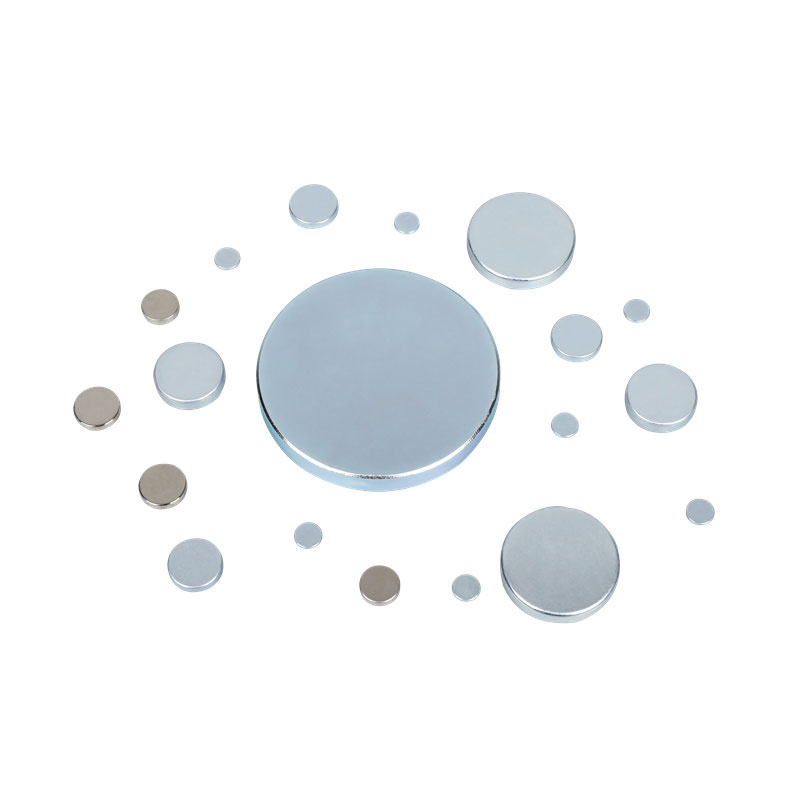
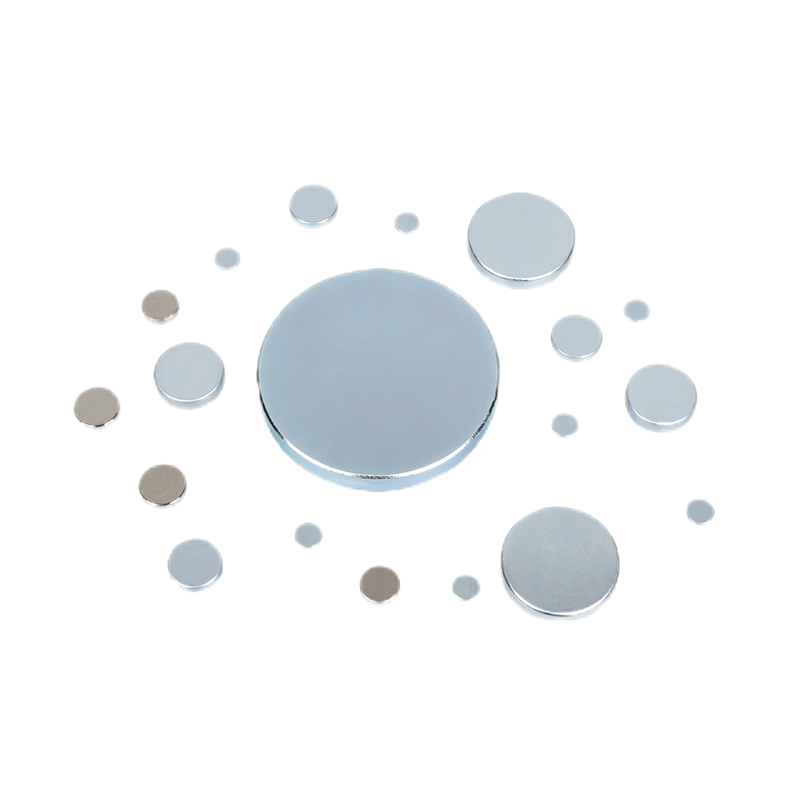
Neodymium Disc Magnets (NdFeB magnets) are among the most powerful permanent magnets available today, making them ideal for a wide range of applications, from motors to speakers and even medical devices. However, like all materials, temperature has a significant impact on their magnetic properties.
Neodymium magnets are particularly sensitive to temperature changes, and exposure to extreme temperatures can lead to a permanent reduction in their magnetic strength.
High Temperatures:
When Neodymium magnets are exposed to temperatures above their rated maximum operating temperature, they can begin to lose their magnetism. This happens because high temperatures disrupt the alignment of the magnetic domains inside the magnet. The higher the temperature, the greater the risk of demagnetization.
Curie Temperature:
For Neodymium magnets, the Curie temperature (the temperature at which a material loses its magnetic properties) typically ranges from 310°C to 400°C, depending on the magnet’s grade and composition. Above this threshold, the magnet will no longer retain its magnetization, making it essentially useless for applications requiring a stable magnetic field.
Permanent Loss of Magnetism:
Even if the magnet doesn’t reach its Curie temperature, temperatures above its maximum rated operating temperature (usually between 80°C and 230°C) will cause irreversible loss of strength. For example, if a Neodymium magnet is used in an electric motor or generator and its operating temperature exceeds the recommended range, it can cause a decrease in efficiency or even failure of the device.
Low Temperatures:
Neodymium magnets generally perform better in cold environments, but extreme cold (below -100°C) can make them brittle. At temperatures this low, the material’s structural integrity may be compromised, leading to cracking or breaking. However, the magnet’s magnetic properties usually remain intact, and the loss of strength in cold conditions is typically negligible.
The temperature coefficient of magnetization is a critical factor in understanding how a magnet’s performance is affected by temperature changes. For Neodymium magnets, the temperature coefficient typically averages around -0.11% per °C.
Impact on Magnetic Field Strength:
For every degree Celsius increase in temperature, the magnet’s magnetic field strength decreases by approximately 0.11%. This gradual decrease may not be immediately noticeable in everyday use but can accumulate in environments with significant temperature fluctuations.
Practical Examples:
| Temperature (°C) | Magnetic Strength Loss (%) |
|---|---|
| 25°C (Room Temp) | 0% |
| 50°C | -2.75% |
| 100°C | -5.5% |
| 150°C | -8.25% |
| 200°C | -11% |
The temperature fluctuations not only affect the magnet’s magnetic properties but can also alter its physical structure.
Expansion and Contraction:
Materials expand when heated and contract when cooled. Neodymium magnets are no exception. When exposed to high temperatures, they can expand, and if the magnet is confined within a housing or used in a system that does not allow for thermal expansion, this can cause internal stress, potentially leading to cracking, chipping, or even breaking of the magnet.
Microstructure Changes:
At high temperatures, Neodymium magnets can undergo a change in their internal crystalline structure. This change can weaken the overall magnetic strength and compromise the durability of the magnet. The addition of rare-earth elements like dysprosium or cobalt is sometimes used in higher-end magnets to improve temperature stability and prevent these structural changes.
Some Neodymium magnets are specifically engineered to withstand extreme temperatures. These magnets are typically used in high-performance applications where maintaining a stable magnetic field is critical.
High-Temperature Coatings:
Many Neodymium magnets are coated with nickel or epoxy coatings, which not only prevent corrosion but also help in thermal management. These coatings can provide some protection against temperature-induced loss of magnetic strength and also help with the expansion and contraction of the material.
Alloy Enhancements:
Advanced NdFeB magnets are often alloyed with elements such as dysprosium, terbium, or cobalt to increase their maximum operating temperature. These alloys help maintain the magnet’s properties under extreme conditions, such as in electric motors used in high-performance vehicles or in aerospace applications.
Neodymium magnets exhibit a phenomenon known as magnetic hysteresis, where the magnetic field strength is not always perfectly reversible when the temperature changes.
Behavior at Temperature Extremes:
When a Neodymium magnet is exposed to high temperatures, its magnetic properties may degrade temporarily. When the magnet cools down, its magnetic strength may be partially restored, but not necessarily to its original value. This effect is more pronounced at temperatures close to the Curie point or beyond the rated temperature limits of the magnet.
Impact on Applications:
In precision devices, such as medical equipment or scientific instruments, temperature-induced magnetic hysteresis can affect accuracy and performance, leading to temporary fluctuations in the magnet’s effectiveness.
To mitigate the effects of temperature on the performance of Neodymium Disc Magnets, several design strategies are employed in high-performance applications.
Encapsulation or Shielding:
In environments where the temperature may vary drastically, Neodymium magnets are often encased in heat-resistant materials or ceramic coatings. This encapsulation prevents rapid thermal changes from reaching the magnet and ensures more stable performance.
Thermal Management Systems:
In industrial applications, thermal management systems are used to regulate the temperature around Neodymium magnets. Cooling systems, heat sinks, and other temperature-control technologies help ensure that the magnets operate within the optimal temperature range, thereby extending their lifespan and ensuring reliability.
Q1: What is the maximum temperature Neodymium magnets can tolerate?
A1: Most Neodymium magnets are rated for a maximum operating temperature between 80°C and 230°C. Exceeding this temperature can lead to permanent loss of magnetic strength. Special high-temperature magnets can withstand higher temperatures, up to 150°C or more.
Q2: How can I protect Neodymium magnets from temperature-induced damage?
A2: To protect Neodymium magnets from temperature damage, you can use coatings like nickel or epoxy to prevent direct heat exposure. For high-temperature environments, look for magnets with added dysprosium or terbium to improve thermal stability.
Q3: Can Neodymium magnets be used in outdoor environments with temperature fluctuations?
A3: Yes, but it depends on the specific application. For outdoor environments, magnets with proper coatings and encapsulation can offer some protection, but extreme temperature variations may still cause a decline in performance over time.
Q4: What happens if a Neodymium magnet exceeds its rated temperature?
A4: If a Neodymium magnet exceeds its rated temperature, it may permanently lose its magnetization, making it ineffective for its intended purpose. The magnet can no longer generate the required magnetic field strength, which can result in device failure.
Q5: Is it possible for Neodymium magnets to regain their magnetization after cooling down?
A5: Neodymium magnets may experience temporary loss of magnetization at high temperatures, but once they cool down, they can regain some of their magnetic properties. However, if the magnet was exposed to temperatures above its Curie point, it may lose its magnetism permanently.
 WeChat/Zalo/whatsApp: +86-15857968349(Jerry Ma)
 Email: mahy@dymagnet.com
 No.9,Hongxing 3rd Road,Hengdian Industrial Park,Dongyang City,Zhejiang,China.



 English
 Español
 Deutsch
 Tiếng Việt